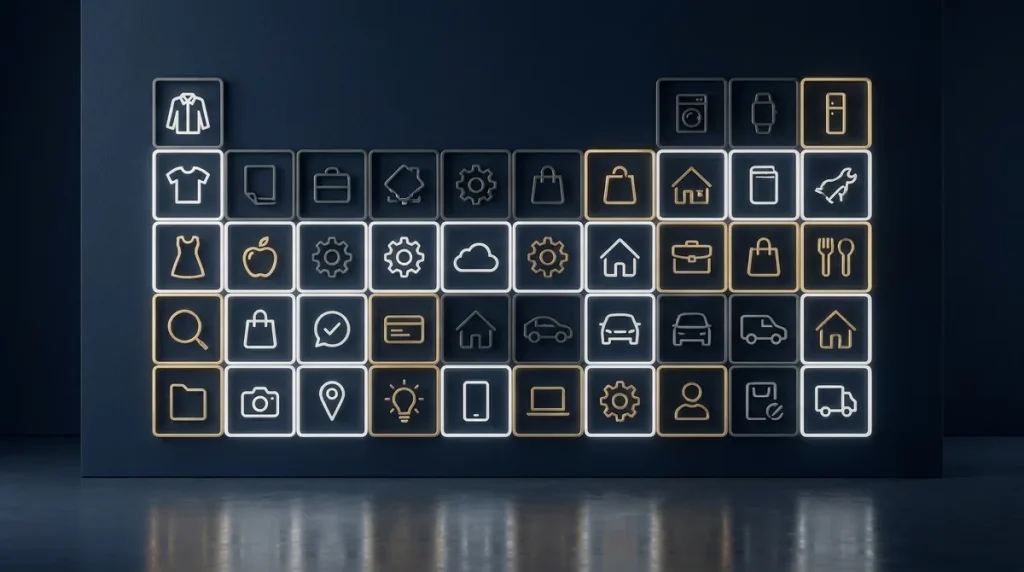
What Is the Nice Classification?
The Nice Classification (formally: the International Classification of Goods and Services for the Purposes of the Registration of Marks) is an international system that organizes all goods and services into 45 classes. It was established by the Nice Agreement of 1957 and is administered by WIPO.
Today, over 150 countries use it — including Egypt. When you file a trademark with EIPA, you must specify which class or classes your mark covers. Trademark protection in Egypt is strictly class-specific: a registration in Class 25 (clothing) does not protect you against an identical mark in Class 35 (retail services).
Class mistakes are permanent and expensive. If you file in the wrong class or miss a critical class, there is no correction mechanism — you must file a new application, pay new fees, and wait another 18–24 months. IGBS audits class strategy before every filing.
Goods Classes (1–34) vs. Services Classes (35–45)
The 45 classes split cleanly into two groups:
- Classes 1–34: Goods — physical products, chemicals, raw materials, food, clothing, electronics, machinery, etc.
- Classes 35–45: Services — business services, financial services, transportation, education, health, entertainment, legal services, etc.
Most modern businesses need protection in both goods and services classes. A clothing brand, for example, needs Class 25 (the garments) AND Class 35 (the retail stores and online shop). Registering only Class 25 leaves your retail operation unprotected.
All 45 Classes at a Glance
The following overview covers all 45 classes with the goods/services most relevant to Egyptian businesses highlighted:
Chemicals
Industrial chemicals, adhesives, preservatives, fertilizers, raw plastics for manufacturing
Paints & Coatings
Paints, varnishes, lacquers, rust-proofing, colorants, preservatives for wood/metal
Cosmetics & Cleaning
Soaps, perfumes, cosmetics, hair care, toothpaste, cleaning preparations
Fuels & Lubricants
Industrial oils, lubricants, fuels, motor oils, candles, waxes
Pharmaceuticals
Medicines, dietary supplements, medical preparations, disinfectants, baby food
Metals
Common metals, metal alloys, metal building materials, pipes, safes, cables
Machinery
Machines, motors, power tools, agricultural machinery, machine parts
Hand Tools
Hand-operated tools, cutlery, razors, manicure sets
Electronics & Software
Computers, phones, apps, software, cameras, measuring instruments, electronic games
Medical Devices
Surgical instruments, medical apparatus, orthopedic articles, prosthetics
Lighting & Appliances
Lighting, heating, cooking, refrigerating, air conditioning, sanitary apparatus
Vehicles
Vehicles, motors for land/air/water transport, vehicle parts
Firearms
Firearms, ammunition, explosives, fireworks
Jewelry
Precious metals, jewelry, watches, gemstones, gold/silver ware
Musical Instruments
Musical instruments and their accessories
Paper & Stationery
Paper, cardboard, printed matter, books, stationery, photographs, office supplies
Rubber & Insulation
Rubber, gutta-percha, insulating materials, flexible pipes (not metal)
Leather Goods
Leather, luggage, handbags, wallets, umbrellas, harnesses
Building Materials
Non-metallic building materials, concrete, ceramics, tiles, gravel, asphalt
Furniture
Furniture, mirrors, frames, containers of plastic/wood/cork not covered elsewhere
Kitchenware
Household utensils, cookware, glassware, porcelain, cleaning utensils, combs
Ropes & Textiles (raw)
Ropes, string, nets, tents, sacks, raw fibrous textile materials, padding
Yarns & Threads
Yarns and threads for textile use
Fabrics & Textiles
Textiles, fabric, bed covers, table covers, curtains (not knitted/embroidered)
Clothing
Clothing, footwear, headgear — the core class for fashion brands
Lace & Embroidery
Lace, embroidery, ribbons, buttons, hooks, pins, hair accessories
Floor Coverings
Carpets, rugs, mats, linoleum, wall hangings (non-textile)
Games & Toys
Toys, games, sporting goods, Christmas decorations, video game controllers
Meat & Dairy
Meat, fish, poultry, dairy, edible oils, preserved/frozen/dried foods, eggs
Coffee, Flour & Baked Goods
Coffee, tea, cocoa, rice, pasta, bread, pastry, confectionery, sugar, sauces, spices
Agricultural Products
Raw agricultural products, fresh fruits/vegetables, seeds, live animals, animal feed
Beverages
Beers, mineral/aerated waters, fruit juices, soft drinks, non-alcoholic beverages
Alcoholic Beverages
Alcoholic beverages (except beers)
Tobacco
Tobacco, cigarettes, cigars, smokers' articles, electronic cigarettes
Retail & Business Services
Advertising, business management, retail stores, e-commerce, market research, recruitment
Financial Services
Banking, insurance, real estate, investment, monetary services, currency exchange
Construction & Repair
Building construction, repair, installation services, maintenance
Telecommunications
Telecom, internet services, broadcasting, streaming, satellite transmission
Transport & Logistics
Transportation, shipping, travel services, storage, supply chain
Material Treatment
Material treatment, manufacturing services for others, printing, tailoring
Education & Entertainment
Education, training, entertainment, sports activities, cultural services, publishing
Technology & R&D Services
Software development, IT services, cloud computing, cybersecurity, scientific research, SaaS
Food & Drink Services
Restaurants, cafes, catering, hotels, temporary accommodation
Medical & Beauty Services
Medical care, dental services, veterinary services, beauty salons, agriculture advisory
Legal & Security Services
Legal services, security services, personal and social services, IP licensing
Multi-Class Strategy: Common Egyptian Business Scenarios
Here are the most common Egyptian business types and the classes they genuinely need:
| Business Type | Essential Classes | Often Overlooked |
|---|---|---|
| Fashion / Clothing Brand | 25 (clothing), 35 (retail) | 18 (bags/leather), 14 (jewelry accessories) |
| Food Brand (packaged) | 29 or 30 (product class) | 35 (distribution/retail), 43 (if restaurant), 31 (if fresh produce) |
| Restaurant / Cafe | 43 (restaurant services) | 30 (if selling packaged food), 35 (if franchising) |
| Tech / Software Company | 42 (software/IT), 9 (downloadable apps) | 35 (SaaS subscription as retail), 38 (if telecoms-related) |
| E-commerce Platform | 35 (retail/marketplace) | 42 (technology platform), 38 (online services) |
| Cosmetics / Personal Care | 3 (cosmetics) | 35 (retail), 44 (beauty services if also a salon) |
| Real Estate / Property | 36 (real estate services) | 37 (construction), 39 (property management) |
| Education / Training | 41 (education) | 9 (if e-learning platform), 42 (if EdTech) |
| Medical / Healthcare | 44 (healthcare services), 5 (pharma products) | 10 (medical devices), 42 (health software) |
| Financial Services | 36 (banking/insurance) | 35 (advisory services), 42 (fintech software) |
5 Rules for Getting Your Class Strategy Right
- Map your business activities, not just your products. A company that makes a product and sells it through its own stores and website needs classes for all three activities — manufacturing, retail, and potentially e-commerce.
- Think forward, not just today. If you plan to add a restaurant to your food brand in 18 months, file Class 43 now. Filing later means paying again and losing priority.
- Watch competitors’ class strategies. If your biggest competitor has Class 9 and you do not, they can block you from expanding into digital products in Egypt.
- One application per class — no exceptions in Egypt. Unlike the Madrid System, EIPA does not allow one application to cover multiple classes. Budget accordingly.
- Read the class notes carefully. The Nice Classification includes detailed explanatory notes that define what is and is not covered in each class. “Computers” in Class 9 does not include furniture for computers (Class 20) or computer repair (Class 37). IGBS uses the official WIPO Nice Classification database for every filing.
Frequently Asked Questions
The Nice Classification is an international system dividing all goods and services into 45 classes (Classes 1–34 for goods, 35–45 for services). Egypt uses this system for all trademark registrations. You must specify a class on every trademark application — and your protection applies only within that class.
Class 25 covers clothing, footwear, and headgear. If you also operate retail stores or an online shop, you need Class 35 as well. If your brand includes accessories like bags, Class 18 may be needed. IGBS conducts a class audit to identify all relevant classes before filing.
Class 43 covers restaurant and food service activities, including cafes, catering, and temporary accommodation. If you also sell packaged food products under the same brand (e.g., coffee bags), you need Class 30 as well. If you franchise your concept, Class 35 may also apply.
No. Egypt requires a separate application (and separate filing fees) for each class. Unlike the Madrid System (international filing), EIPA does not offer multi-class applications. Each class is an independent application with its own examination timeline and fees.
Class 9 covers downloadable software and mobile applications (as a product). Class 42 covers software-as-a-service (SaaS), IT services, and software development services. Most tech companies need both: Class 9 for the app itself and Class 42 for the platform and development services.
Not Sure Which Classes You Need?
IGBS conducts a full class strategy audit before every trademark filing — mapping your current and future business activities to every relevant class. We identify gaps before they become problems.